How to Laser cut Fabric Design?
How to Laser cut fabric design
Table of Contents
Fabric design is the process of creating patterns and designs on various types of textiles. It involves the application of art and design principles to the production of fabrics that are both aesthetically pleasing and functional. Fabric designers create designs that can be used for fashion, home décor, upholstery, and other textile applications.
Laser cutting a fabric design involves more than sending an image to the machine. The material, vector paths, part layout, kerf, cutting conditions, and required edge result must work together. This guide explains how to turn a fabric design into a production-ready file, test it on the actual material, and prepare it for laser cutting.

Prepare the Fabric Design File for Laser Cutting
Fabric designers may work for textile mills, fashion companies, or as independent artists, and their designs can be found on a wide range of products, including clothing, bedding, curtains, and upholstery.
title="Auto Feeding Laser Cutting Machine - Amazing Textile Designs | MimoWork Laser"
frameborder="0"
allow="accelerometer; autoplay; clipboard-write; encrypted-media; gyroscope; picture-in-picture; web-share"
referrerpolicy="strict-origin-when-cross-origin"
allowfullscreen
loading="lazy">
a higher level of precision, allowing designers to create intricate and elaborate patterns that seamlessly fit together.And the accuracy and precision of laser cutting machines ensure that the final product is of the highest quality.
4.User-friendly:
Laser cutters are easy to learn and use. The software is generally user-friendly and open-sourcefor those who want to explore further! You can either create vector files or rasterize your drawing so that the laser cutter will understand it correctly before you start fabric cutting.
Conclusion
Generally speaking, laser cut fabric design has significantly improved the way designers approach fabric production. Its precision, versatility, and efficiency have revolutionized the industry, providing designers with new creative possibilities and improving the quality of the final product.
Recommended fabric design Laser Cutter
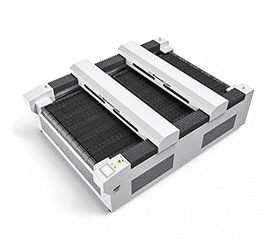
Industrial Fabric Laser Cutter 160L

Laser Cutter for Cloth 160

Textile Laser Cutting Machine 180
FAQs
Should Cutting Lines Be Vector or Raster?
Cutting paths should normally be supplied as vector lines. Raster images may be used as visual references or for certain engraving processes, but they should not replace clearly defined vector cutting paths.
What Information Should Be Included with the Final Design File?
Include the units, finished dimensions, material information, required quantity, layer meanings, cutting or marking instructions, expected result, file revision, and a reference image or PDF.
Do All Vector Paths Need to Be Closed?
Paths that form complete parts or internal cutouts should be closed. Open paths may be retained when the design intentionally requires a slit, score, or incomplete cut.
Why Must Duplicate Lines Be Removed?
Duplicate or stacked paths may cause the laser to process the same location more than once. This can increase heat input and lead to wider cuts, hardened edges, discoloration, or material damage.